

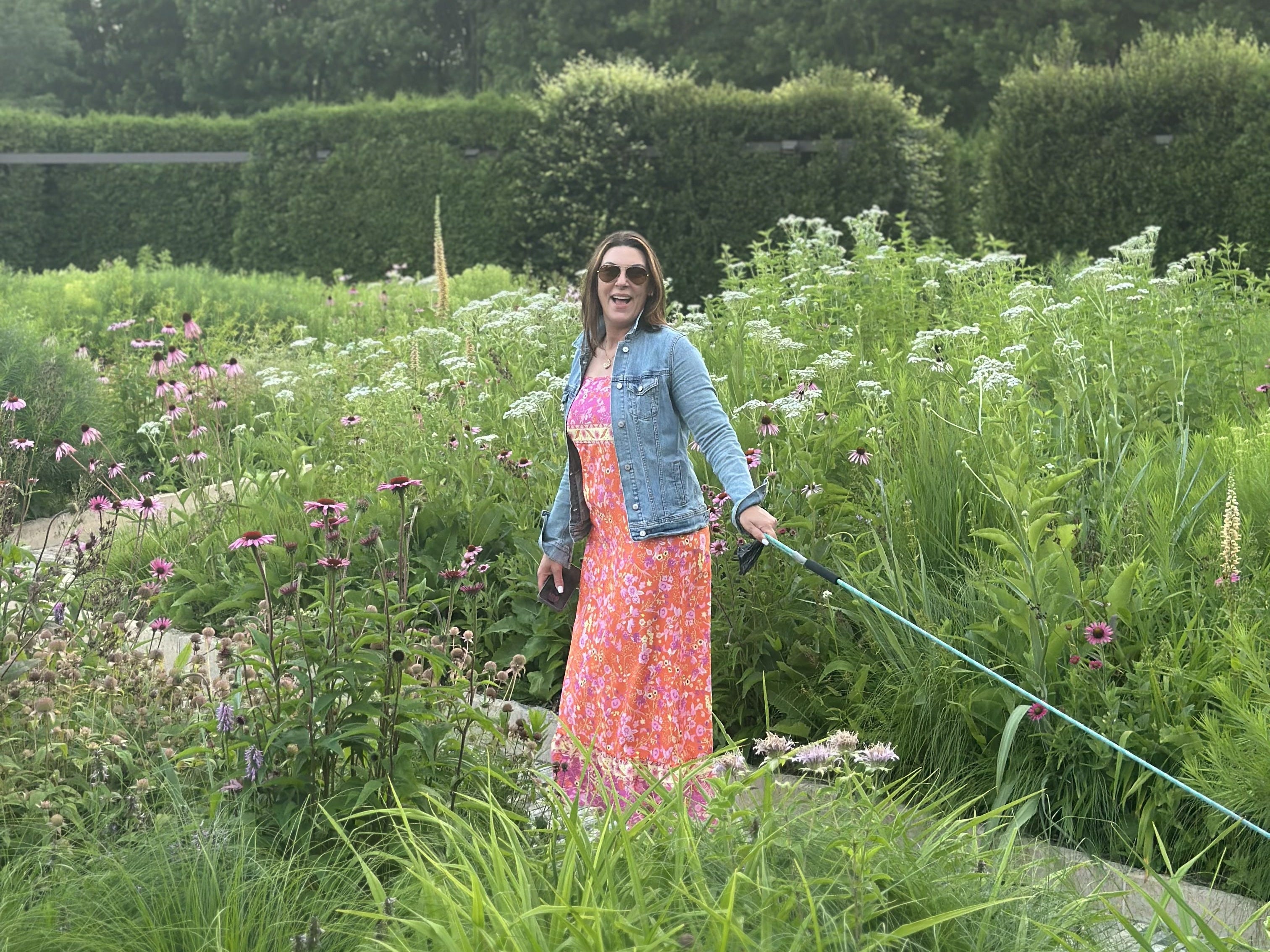
People often tell me I have great energy and that I’m peaceful to be around. Women who are childless after infertility often ask me how I’ve been able to build a life I genuinely love after everything I’ve been through.
They’re right.
But they didn’t know the woman I was in 2018, when seven years of fertility treatments ended without a baby.
For seven years, my life revolved around trying to become a mother. My calendar was filled with appointments, and my IVF drawer was packed with sterile syringes, medications, and supplements. Every new treatment came with a hope that maybe this one would work.
Most people had no idea that was my life.
They also never saw the everyday moments that were beyond painful.
Birthdays stopped feeling like celebrations because every year that passed reminded me that my biological clock was running out. While everyone else celebrated another birthday, I quietly wondered how many chances I had left.
They didn’t see the baby showers where I smiled through conversations about nurseries and the latest baby gadgets. I was truly happy for them, but at the same time I was grieving the life I wanted so badly for myself. They didn’t see me on my drive home afterward, closing my car door and crying my whole drive home. Those tears weren’t because someone else was having a baby. They were because I was grieving the life I thought I would have.
They didn’t see the mornings I left home before sunrise for a blood draw or the evenings I sat alone in my car after another disappointing call from my clinic.
But I showed up anyway. I tried to focus, answered emails, stepped into meetings, and stayed engaged. Most people had no idea that beneath my professional appearance, I was carrying a grief I didn’t know how to explain. To them, my life looked normal. Inside, almost every thought revolved around the next appointment, the next injection, the next hope that maybe this time my life would finally begin.
For years, I thought surviving fertility treatment was the hardest part. Looking back, I couldn’t have been more wrong.
Turns out, the hardest part wasn’t going through IVF. It was figuring out who I was when there wasn’t another protocol to try or another cycle to start.
When my treatments ended without a baby, everything became quiet. My clinic stopped calling. There wasn’t an appointment to talk about what came next emotionally. Nobody handed me a resource or pointed me toward a support group or therapist. My doctor never told me there were other women who ended up like me, so instead it felt like everyone else somehow found a way to become a mother, but no one knew what to do for the women who didn’t.
I wasn’t just grieving the child I never had, I was grieving the woman I thought I was going to become.
That kind of loss is easy for other people to miss because there isn’t a funeral or a meal train. Sympathy cards don’t arrive in the mail, and most people don’t even realize you’ve lost something. Life keeps moving, and somehow you’re expected to move with it.
For a long time, I honestly believed I was one of the only women who felt this way. I thought everyone else knew how to move on, and I was the only one who couldn’t.
I wasn’t.
There are women all around us living with this every day. Many are successful in their careers. They celebrate their friends’ children, show up for birthday parties, weddings, and baby showers, and cheer for the people they love while carrying a loss that few people ever see. When someone asks how they’re doing, they answer, “I’m fine,” because it feels easier than trying to explain something most people won’t understand.
Some still have prenatal vitamins in the kitchen cabinet because they can’t bring themselves to throw them away. Some still have fertility apps on their phones even though they no longer open them. Some still have baby names saved in the Notes app they can’t bring themselves to delete. Some still avoid the maternity section at Target.
If that’s where you are today, I want you to know something I wish someone had told me.
You are not the only one and you didn’t do something wrong.
Your life did not lose its value because it looks different than you thought it would.
I’m not the same woman I was when fertility treatment ended.
While it happens less and less these days, I still sometimes wonder how my life might have been different. I still wonder who my child would have been. I think a part of me always will.
But I don’t spend my life waiting anymore.
Today, when another woman tells me she feels like she’s the only one who can’t move on, I get to tell her what I needed someone to tell me in 2018.
You’re not.
I make plans without wondering if they’ll interfere with another IVF cycle. I laugh more than I used to. I do work that gives meaning to one of the hardest chapters of my life, and I get to remind women every day that they are not alone. None of those things replace the child I never had, but they remind me that my life didn’t end when fertility treatment did.
I couldn’t see that in the beginning.
I had to learn it one day at a time.
That’s why I wrote “So Now What?”
When my fertility treatments ended without a baby, I couldn’t find the kind of support I needed. I wrote the book I wish someone had handed me when I was trying to figure out who I was, how to carry my grief, and what came next.
If you’re standing in that same place today, I want you to know you don’t have to figure it out alone.
There is life after infertility.
It may not be the life you planned, but it can still become a life you love.
If this feels like your story too, I wrote “So Now What?” for you. It’s the book I wish my fertility clinic gave me instead of silence.
You can learn more here: